
Flu or cold?
As different as day and night
A cold is merely a flu-like infection, but is often carelessly referred to as the flu or even equated. There are clear differences that can tell whether there is a cold or flu.
What is the difference between the flu and the common cold?
Do not confuse: A cold (flu infection) is not a flu (influenza). When it is a question of whether flu or cold, you can orient yourself by the following points:
- The symptoms of flu are significantly stronger than those of a cold.
- A flu begins – in contrast to the cold – from now on the same, sometimes within a few minutes a strong feeling of illness sets in.
- A flu usually lasts at least two weeks, a cold often subsides faster.
- A flu, unlike a cold, is triggered exclusively by influenza viruses.
Do you notice the difference between the flu and a cold?
What are the differences between the flu and the common cold?
| Cold | Flu | |
| Transmission | Droplets or smear infection | |
| Over 200 different types of viruses | Influenza viruses | |
| Generally year-round risk of infection | Mainly seasonal in winter | |
| Incubation Period | 1-2 days on average | |
| Symptoms | Slow onset of the disease | Sudden onset of illness |
| Sniffles | A runny nose, frequent sneezing, and a stuffy nose | When a runny nose occurs, it is usually caused by a headache |
| Exhaustion | Slight exhaustion | Rapid and severe exhaustion |
| Fever | Slightly increased temperature | Often suddenly occurring temperature up to 41 ° C |
| A Headache | A mild headache | Strong headache |
| Body Aches | Slight pain in the limbs | Severe muscle and joint pain |
| Verlauf | Usually harmless course without complications | Long-term noticeable consequences are possible |
| Usually between 3 to 10 days | Up to 14 days | |
| Behandlung | Symptomatic therapy | |
| If necessary, antiviral drugs | ||
| Vorbeugung | Measures to strengthen the normal immune system | Annual vaccination |
Why is a cold shot so difficult?
When it comes to cold viruses, nature is not picky. The disease is now triggered by over 200 different types of viruses - and their number is increasing.

That is the problem: Because vaccination works according to the "lock and key principle". Each virus is its own, rapidly changing lock.
Developing a “master key” seems impossible. Ultimately, a vaccine can only protect against certain viruses. A flu vaccination is possible because there are significantly fewer pathogens in comparison.
What can help, whether it's a cold or the flu?
In general, you should take the strengthening of your immune system to heart. If your immune system is intact, it provides the necessary protection against a wide variety of pathogens. The following measures can support your immune system:

Balanced diet rich in vitamins
Sufficient fluid intake
Lots of regular exercise in the fresh air
Balanced sleep-wake rhythm
Standard hygiene measures
In addition, Curazink® ImmunPlus can be taken to support the normal function of the immune system. With zinc, selenium and vitamin C, it makes a valuable contribution to supplementing your daily diet.
Other interesting articles


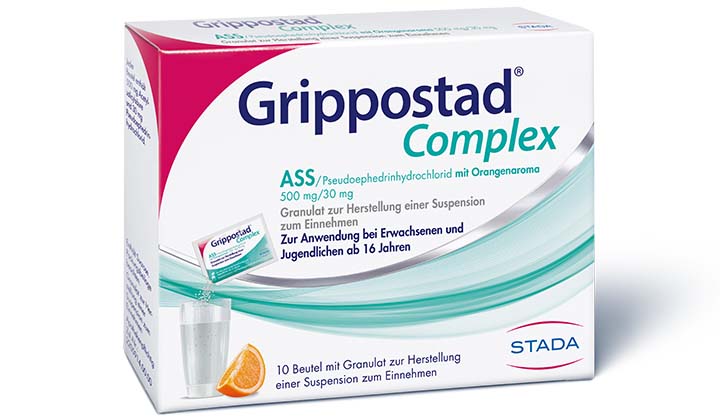
Grippostad® Complex
2er active ingredient combination for dissolving
Relieves cold-related pain and fever
Helps to free the head and nose