
Fever for cold
If you suffer from an elevated temperature or even fever with a cold, many wonder whether these complaints should be a cause for concern. While sore throat and runny nose usually occur directly in a flu-like infection, cold-related fever only supplements the symptom package in the further course. What you have to pay attention to when it gets hot again with a cold, you can find out here.
When was the last time you had a fever?
How to get a fever?
Warum steigt die Körpertemperatur bei einer Erkältung an und wie bekommt man Fieber? Fieber ist ein typisches Symptom bei Infektionen. Hierbei handelt es sich nicht um eine Krankheit, sondern um eine natürliche Abwehrreaktion, die den Infekt auf zwei Weisen bekämpft:
- The heat generated by fever accelerates the body's own processes. Fever increases the activity of important immune cells.
- Cold viruses are prevented from multiplying more quickly by fever.
If fever occurs with a cold, then usually only gradually and only in the later course of the disease.
When do you have a fever?
The normal body temperature is between 36.5 and 37°C. If it rises above these values, it is called fever:

Normal body temperature: 36.5 to 37°C
Increased body temperature: 37°C to 38°C
Moderate fever: Above 38°C
High fever: Above 39°C
Very high fever: From 40.5°C
How to lower fever?
If you suffer from colds and Co. as well as cold-related fever, the immune system is burdened even more. Often we feel particularly lightheaded, tired and tired due to this symptom package. This makes it all the more important to combat the cold symptoms as quickly as possible. So what exactly helps against fever?
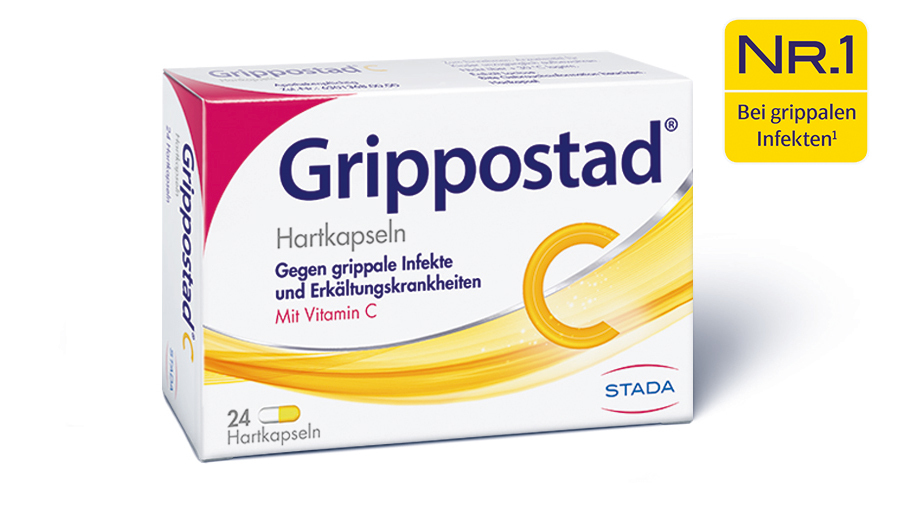
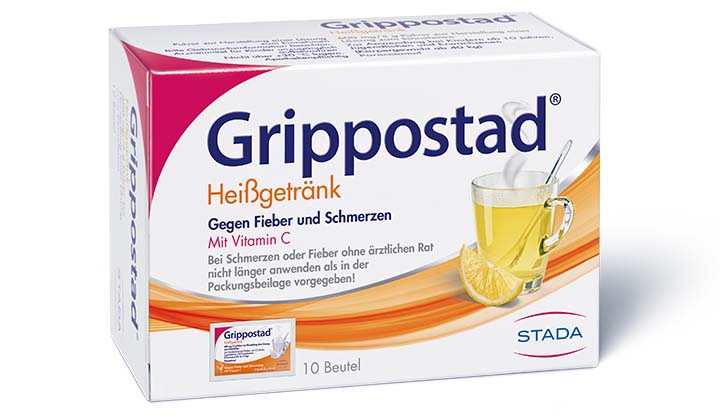
If there is a fever with a cold, there is no uniform recipe. However, antipyretic drugs can help restore normal body temperature. The proven 4-drug combination of Grippostad can not only reduce your fever, but also relieve headaches and body aches that occur together.

Grippostad C Hard Capsules®
4er active ingredient combination for cold complaints
Fast, strong and well tolerated
Easy to swallow, convenient to take away
1IQVIA Pharmatrend MAT08/2020
By the way: fever is often noticeable with a feeling of cold. Despite a hot forehead, we even shiver or freeze. Chills occur when our body tries to produce more heat by twitching muscles. Only later does the body temperature increase above the set point and we begin to sweat to lower the fever again.
Fever with cold? No need to worry!
Basically, fever is also one of the typical cold complaints. If the fever then also rises, fatigue or headaches and body aches often follow. In most cases, however, other symptoms such as a sore throat or runny nose occur.
The different cold symptoms do not have to break out with every flu-like infection. If you had to fight with fever during your last infection, this symptom does not necessarily have to appear this time. In addition, the severity of the complaints can also vary from affected person to affected person. In addition, every person has an individual core body temperature. This means that not every patient reacts the same way to cold-related fever.
Fever: When to go to the doctor?
As a rule, fever is not considered dangerous in the case of a flu-like infection. It supports the body in defending against pathogens and should not be lowered immediately. Accordingly, a visit to the doctor due to fever alone is not absolutely necessary.
Caution: The higher the cold-related fever rises, the sooner you should refrain from taking a hot bath. Because the circulation is then overwhelmed due to the high temperature, similar to the sauna session.
If your body temperature rises above 39° C, you should go to the doctor. Even if additional symptoms are added to the fever or the fever persists for more than 2 to 3 days, it can be dangerous.

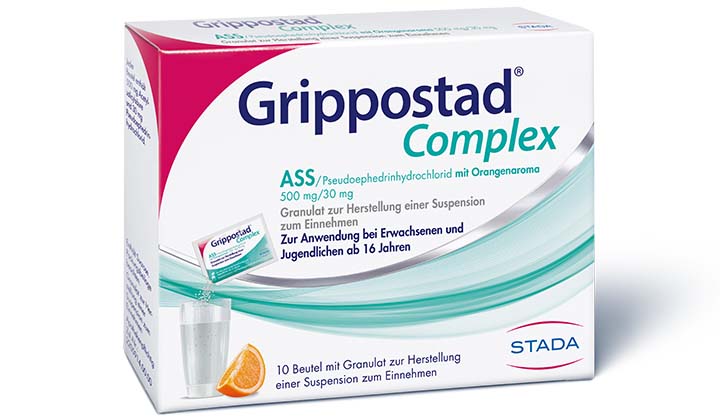
Grippostad® Complex
2er Wirkstoffkombination zum Auflösen
Lindert erkältungsbedingte Schmerzen und Fieber
Hilft dabei, Kopf und Nase zu befreien