
Headache with cold
Everyone knows the typical symptoms that occur in the course of a cold: The throat scratches, the nose is blocked and so slowly pressure builds up in the head. What exactly happens in your body with cold-related headaches and how to get rid of the throbbing pain, you can find out here.
Headache as a cold symptom

There are over 200 different types of headaches. This also includes cold-related headaches: the so-called "pressure in the head". With a cold, however, headaches rarely appear as one of the first symptoms. Usually they develop in the further course of the disease and round off the symptom package.
However, the timing of their occurrence can vary: often on the second or third day of the cold, one wakes up with a throbbing head. Not infrequently, the headaches only arise in the course of a day or are suddenly simply there. One thing is certain: cold-related headaches are a frequent consequence of the other symptoms. They arise, for example, from the inflammation of the nasal mucosa or the paranasal sinuses, as clogged secretions block the respiratory tract.
How often do you suffer from headaches when you have a cold?
Cold-related headaches: understanding the causes
In the case of flu-like infections, headaches often occur in the forehead region. Not infrequently, however, it happens that these continue to pull over the skull to the back of the head. This may be due to the fact that a cold often inflames the nasal mucosa. This inflammation causes the mucous membrane to swell and clog the airways. Our body then produces significantly more secretion, which cannot drain properly due to the constipation: Pressure arises within the respiratory tract. Exactly this pressure triggers the constant headache in a cold.
By the way: Many do not complain directly about headaches in cold-related headaches, but rather perceive this throbbing as "pressure in the head". For children, it is often an unpleasant "headache".
Another cause of headaches with a cold can be overexertion. Often, people with a cold drag themselves to work despite clear symptoms. With the words "it's just a headache", the warning signs of the body are quickly dismissed. But be careful! Physical or psychological work stresses the body immensely during a cold and can also trigger severe headaches, if not constant headaches. It is not without reason that you should give the body sufficient rest and rest during a cold.
Quick help with headaches
What are you waiting for? Free your paranasal sinuses with these tips to finally get rid of the throbbing headaches:

Place a warm rag in the neck to release the possibly tense back muscles.

A cloth soaked in cold water on the forehead has a soothing effect on the sudden cold, the vessels initially tighten. The body then reacts with an expansion of the vessels: more blood flows through the veins, which can relieve headaches.

Massage essential oils such as peppermint, eucalyptus or lavender to the temples. These relax the muscles and release stuck mucus.

Short walks in the fresh air can provide the body with sufficient oxygen and stimulate blood circulation.
Headache: This can be done wrong
Basically, you should give your body rest in the event of a flu-like infection. If headaches also occur, stronger efforts should be avoided even more. That doesn't mean you have to guard the bed. Depending on your condition, a short walk can get your circulation going again and fresh air can relieve the cold-related headaches.

Caution: Bending down or shaking can worsen your headaches, which may have been weak so far, into severe headaches. You should also avoid too much sniffing.
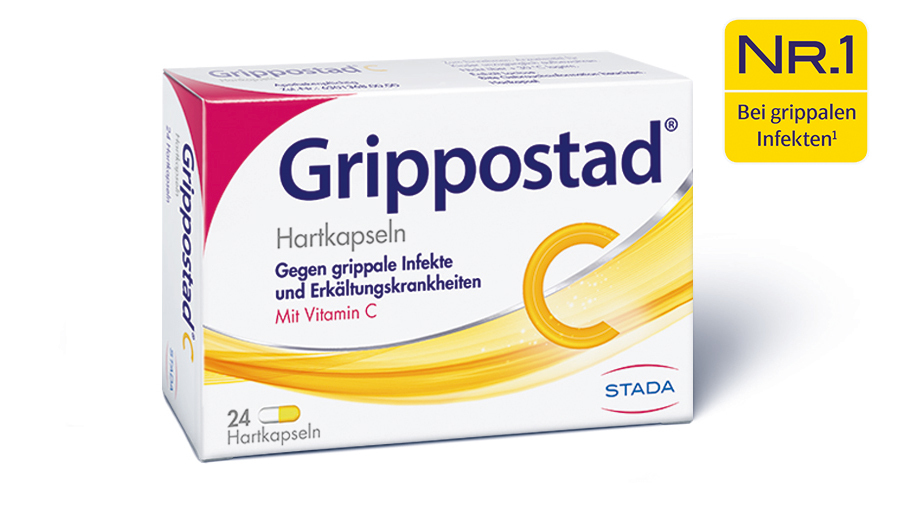
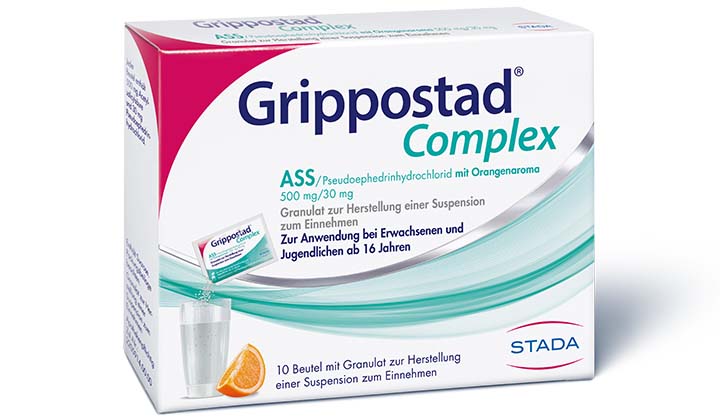
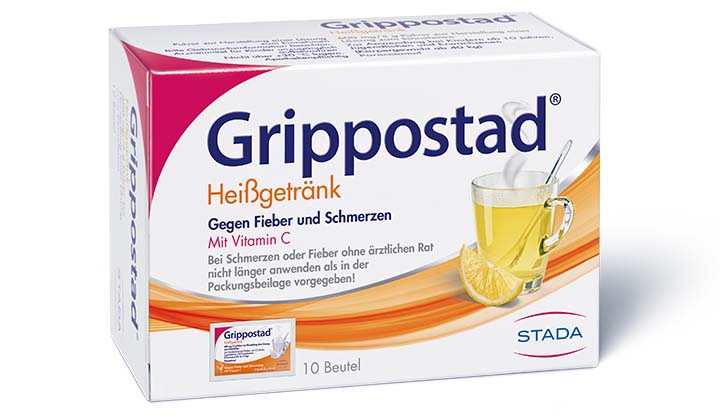
To clear the clogged airways, anti-inflammatory and decongestant drugs can provide a remedy instead. Paracetamol in such cases can fight inflammation and chlorphenamine soothe the nasal mucosa. These active ingredients can also be found in Grippostad C, which can combat simultaneous cold symptoms in the form of hard capsules, drinking granules or hot drink.
Constant headaches?
If your headache caused by the cold has not subsided after three days or even become even stronger, you should consult a doctor. Even if other symptoms such as fever, visual disturbances, stiff limbs or nausea are added, there is no way around a visit to the doctor. Because these severe headaches can then go far beyond an actual cold.

Grippostad® Complex
2er active ingredient combination for dissolving
Relieves cold-related pain and fever
Helps to free the head and nose