

Cold: Symptoms & First Signs
Recognize and understand all cold symptoms
Cough, runny nose, head pressure or hoarseness? Then you can already feel the first signs of a cold. We all know these typical cold symptoms. But did you also know that you can influence the course and intensity of cold symptoms at the first signs? Learn more about what symptoms can be used to recognize a cold and when you should be alarmed.
Cold: Treat signs directly
Not everyone can directly attribute the first signs of a cold to this one. In addition to cough, runny nose or head pressure, shivering, fatigue and fatigue can also be the first signs of a cold. Already here the motto is: Act and treat quickly. So you can do more than if the infection had already spread. Because in the fight against persistent cold viruses, the first signs quickly pass into one of these typical cold symptoms:
What are your most common cold symptoms?
The classic cold symptoms

Cold
Cold itself is one of the harmless cold symptoms. In addition to acute bronchitis, it is the most common cold. By forming mucus, the body tries to get rid of the cold viruses.

Cough
When you cough with a cold, pain often occurs. In the course of the disease, this cold symptom usually develops from a dry to a mucesy cough. This is how the body wants to free the respiratory tract.

Sore throat
If the throat is inflamed, the throat hurts. A slight scratch and a dry feeling are two of the most common signs of a cold. Then the cold symptoms intensify: swallowing is unpleasant, eating and drinking become a challenge, hoarseness is also possible.

Fever
Fever as a cold symptom "weakens" the viruses and activates additional killer cells to attack. So far, so good: But if the fever rises above 39 ° C, you should consult a doctor as a precaution.

Body aches
This cold symptom triggers pain stimuli in the nerve cells. Because in the fight against the viruses, special messenger substances help to fight the common cold. Signs of this is that the body's sensitivity to pain increases

Headache
The nose is dense, you can no longer breathe and pressure builds up in the head. In the case of a flu-like infection, headaches are rarely the first cold symptom. Usually they develop in the further course and round off the symptom package.
Correctly assess atypical cold symptoms
As a rule, even common cold symptoms can be treated well. In the fight against the typical cold symptoms, however, additional symptoms may occur. Due to this, a cold can quickly develop into a chronic secondary disease and aggravate the state of health. In the following cases, you should definitely consult a doctor:

Shortness of breath or shortness of breath
Fever of over 39° C
Severe sore throat or earache
Persistent discomfort after two weeks
Cough longer than two weeks
Treat all cold symptoms
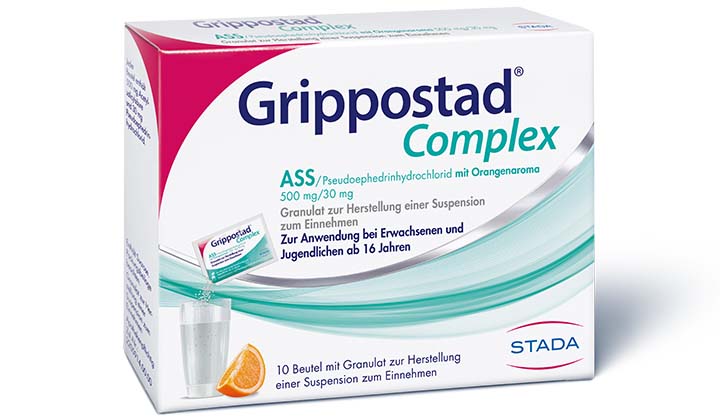
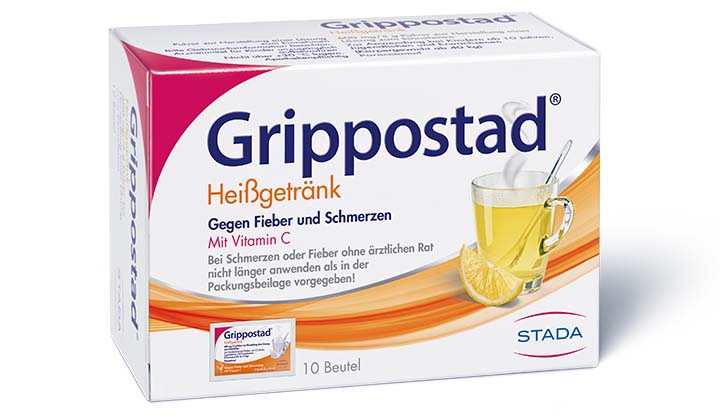
If the first signs of the cold are already noticeable, one would of course like to prevent the outbreak of further cold symptoms. Special medicines cause already at the beginning of the infection that the cold symptoms are treated directly and thus not too serious. Learn more about how to influence the course of a cold with the right treatment and sufficient rest.

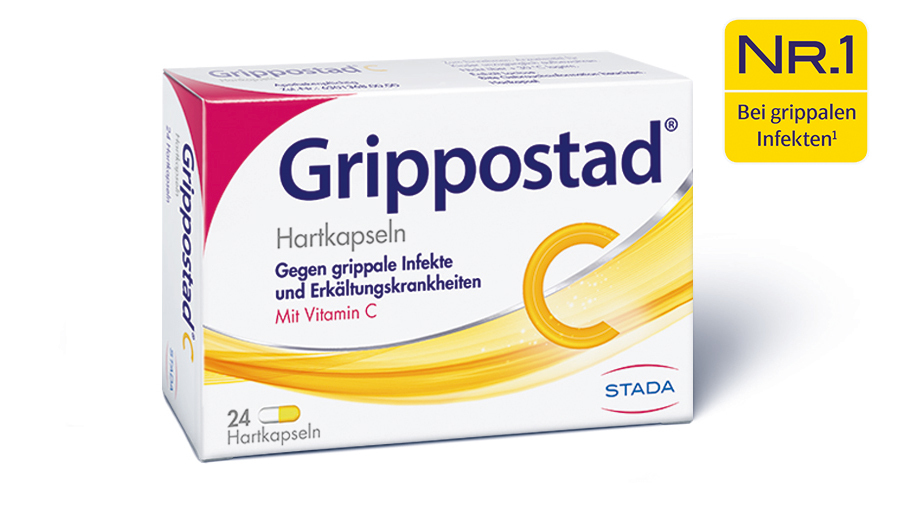
Grippostad® C Hard Capsules
4 active ingredient combination for cold complaints
Fast, strong and well tolerated
Easy to swallow, convenient to take away
1IQVIA Pharmatrend MAT08/2020