

Morning Sickness Remedies, Causes and Tips
Finding out that you’re pregnant is one of life’s greatest joys. You’ve told your partner and your family, you’re basking in the bliss and excitement of it all – and then nausea hits…
Studies suggest that approximately 70% of pregnant women will experience morning sickness. Although not everyone will go through it, it’s a common symptom of early pregnancy that can be very unpleasant and persistent.
Here, we explain what morning sickness is, what causes it, and key morning sickness remedies and tips to help you beat pregnancy nausea once and for all!
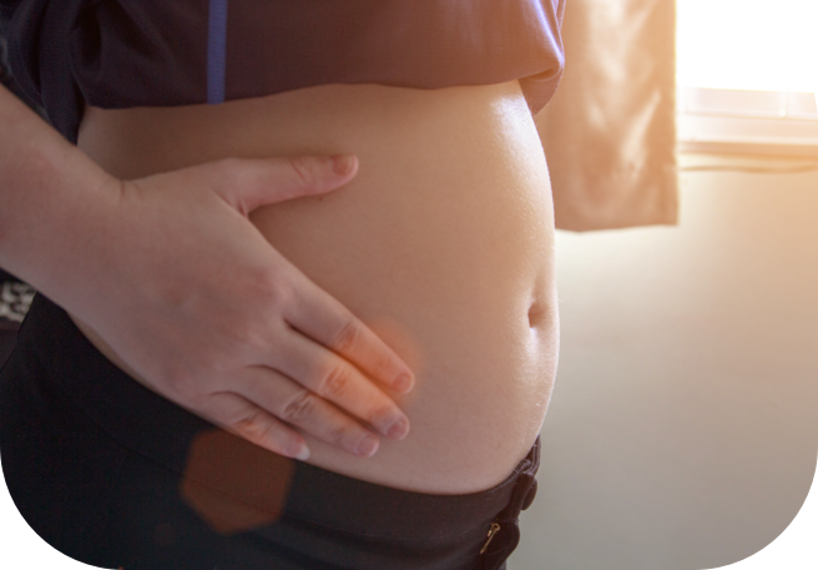
What is morning sickness?
Morning sickness is described as nausea or vomiting during pregnancy. It may be called ‘morning sickness’ but the truth is, it can actually happen any time of day (or night). It’s a common symptom for women who are in the early stages of pregnancy and usually (thankfully!) goes away after the third trimester. Some women may experience nausea but no actual vomiting, which is also totally normal.
What causes morning sickness?
So, what causes sickness in pregnancy? Well, no one is entirely sure, but it’s thought to be to do with the hormonal changes that your body goes through in the first 12 weeks of pregnancy. It can also sometimes be due to an unrelated illness like thyroid or liver disease. You may be more likely to experience morning sickness if:
- It’s your first pregnancy
- You’re having twins or triplets
- You’ve had morning sickness during a previous pregnancy
- You suffer from migraines
- Other women in your family have had morning sickness
The important thing to remember is that the majority of morning sickness is completely natural and nothing to worry about. In fact, it can be a good sign, as it means your hormones are at a healthy level. However, if you are worried, please contact a medical professional.
Hyperemesis gravidarum symptoms
Other than severe nausea and sickness, you may also notice the following hyperemesis gravidarum symptoms:
- Feeling faint or dizzy
- Dark concentrated urine
- Weeing less frequently
- Weight loss
- Blood in your vomit
- A high temperature
- Low blood pressure

Morning sickness remedies: What helps with morning sickness
There’s no single morning sickness cure, but don’t panic – there are plenty of ways to manage it. With a few tweaks to your diet and lifestyle, you can learn how to stop morning sickness and vomiting in pregnancy and feel more in control.
Avoid certain foods
Your sense of smell is enhanced during the first three months of pregnancy, meaning that even foods you previously couldn’t get enough of can now turn your stomach. For many women, foods that are overly flavoured, spicy or sweet are a big no-no during morning sickness - but if you’re craving them, go for it! Just focus on eating foods that you still enjoy eating and avoid any that you don’t.
Try ginger
Ginger is probably the most well-known morning sickness remedy as studies show that it’s great for nausea, so sipping on flat ginger ale or ginger tea, or snacking on crystallised ginger can help ease it. We know what you’re thinking - unfortunately, ginger biscuits don’t contain enough ginger for them to have an effect on nausea, but don’t let that stop you if you fancy a few!
Try plain, bland foods
If the thought of eating ginger isn’t working for you, plain, bland foods including carbs could also help stop morning sickness. Bread, rice, pasta, potatoes and crackers can be easier to eat when you’re feeling sick. Eating some dry toast or a biscuit in the morning can be a great morning sickness remedy.
Eat small, frequent meals
Eating little and often rather than having three big meals is often helpful as it ensures that your stomach doesn’t get too full. Eating cold foods can help control your gag reflex, as they don’t smell as strongly as hot dishes.
Drink plenty of fluids
It’s important to make sure that you are drinking enough water to avoid dehydration, especially if you’re suffering from morning sickness. You could try sipping on drinks like water or ginger ale throughout the day to curb vomiting.
Identify external triggers
It may seem like the nausea is coming on randomly – and it definitely could be – but there also could be a bit of a pattern to your sickness. If you’re finding your stomach is turned at midday when you can smell food being cooked, that could be a trigger. Feeling queasy when you kiss your partner goodbye in the morning? It might be time to tell them to skip the aftershave.
By tuning in to your surroundings, you might find that there’s a surprising correlation between your routine and your sickness, so it’s worth looking out for triggers so that you can find ways to avoid them when possible.
Get plenty of rest
Tiredness can make nausea worse, so make sure that you’re getting plenty of rest and are putting your feet up whenever possible. After all, your body is doing some amazing but hard work right now – you deserve a break!
Morning sickness medication
If you are suffering from severe and persistent morning sickness and have tried numerous morning sickness remedies to no avail, then your doctor can prescribe anti-sickness medication. The most common are called antiemetics which are taken as oral tablets. However, if you can’t keep these down, then your GP may suggest an injection that is inserted into your bottom to help to ease nausea.
Morning sickness tips
Wondering what helps with morning sickness? Here are our top tips for easing nausea.
Avoid tight clothes
Now’s the time to break out your baggiest, comfiest clothes! Avoid wearing anything that’s tight around your waist and stomach, as you might find the pressure makes you more nauseous.
Try seasickness bands
Remember those seasickness wristbands that people buy to take on boats? Turns out they can be a great home remedy for morning sickness for some women! Acupressure wristbands gently press down on a pressure point in the wrist that’s thought to be linked to nausea and sickness, so they are worth considering.
Rinse your mouth after vomiting
Did you know that the acid from your stomach can damage the enamel on your teeth? So, make sure to rinse your mouth with a cup of water mixed with a teaspoon of baking soda. This will help neutralise the acid and protect your teeth.
Remember, as long as you’re eating and drinking when you can, morning sickness is unlikely to do any harm to your baby. You have plenty of time during your pregnancy to ensure you’re eating a healthy, balanced diet, so for now, keep doing the best you can.
We hope our guide on how to stop morning sickness has helped put your mind at ease. If you’d like to hear more tips to support you through your pregnancy and beyond, take a look at our Everyday Advice Blog. Remember to use Mitosyl products to soothe and protect your little one against nappy rash when they arrive.


