

Body Changes in Pregnancy: What to Expect Each Month
Pregnancy can be a wonderful time for any expectant mother. Although there are a few hardships and discomforts to endure along the way, feeling your baby’s first kick will make it all worth it - we promise! While every pregnancy is different, there are a few changes you can expect to happen to your body over the next nine months.
To help you prepare, especially if this is your first time, we’ve compiled a guide of all the common body changes in pregnancy month by month.
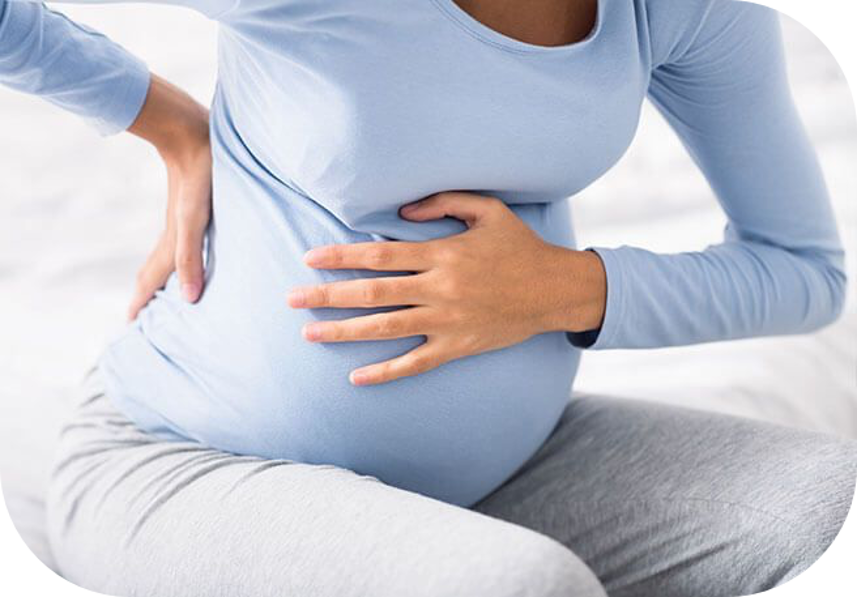
Pregnancy first trimester (months 1-3)
A frequent need to urinate is usually one of the first signs of pregnancy. This is caused by your baby pushing down on your bladder, as well as the pregnancy hormone hCG, which can lead to potential accidents!
Don’t worry though, this stage won’t last forever and eventually your kidneys will adjust to the pregnancy. A great way to speed this process along is to make sure your bladder is completely empty by leaning forward as you urinate. You may also want to consider pelvic floor exercises, which can help strengthen the muscles surrounding the pelvic floor - a great guide for this can be found here.
Morning sickness is one of the most common symptoms of early pregnancy, affecting 70% of women in the early stages. Despite the name, these symptoms can happen anytime, day or night. To help battle nausea, we recommend the following foods:
- Crackers
- Pretzels
- Crisps
- Potatoes
- Eggs
- Lightly seasoned meats
In the first few months, the most common body changes during pregnancy include swollen or sore breasts, nausea and fatigue. You may also see an increase in mood swings and pregnancy cravings could start to emerge. This is because your body is adapting to a new and exciting experience, so don’t be alarmed by how different you may feel both emotionally and physically.
Fatigue is a very common symptom during the first and third trimesters; to combat this, practice good sleeping habits by going to bed early and winding down by reading a book or doing some meditation. Also, try to only use your bed for rest and find the comfiest way to sleep to prepare for when your bump starts to grow.
Pregnancy second trimester (months 4-6)
The second trimester is when your bump starts to become more visible. It’s also the time where your body typically feels more energised and those maternal instincts might really start to kick in! However, with these amazing feelings and changes also comes the possibility of stretch marks, pregnancy pains and swelling. It’s important to remember that these are normal pregnancy symptoms to experience by the halfway mark and can be eased with some of our handy tips and tricks.
Stretch marks - which are pink, red, brown, or purple marks on the body - are a common occurrence in pregnancy, affecting 8 out of 10 women1. Try not to worry, as these marks will gradually fade after you’ve given birth into small pale scars, becoming much less noticeable over time.
You may also notice swelling of the legs, ankles, feet and hands during this time, which is a great excuse to put your feet up and relax! This swelling is caused by your body holding more water than usual, so make sure you wear comfortable shoes, drink plenty of water and take regular walks.
Pregnancy third trimester (months 7-9)
In the third and final trimester of pregnancy, you may find yourself feeling more awkward and heavy, with your ever-growing bump making it harder to do everyday activities. Just try to take your time and ask for help when needed - we know how much of a struggle the last few months can be!
In terms of body changes during pregnancy week by week, you may start to experience tingling and numbness, shortness of breath and breast growth. With a possible increase in swelling, the numbness and tingling in hands and fingers - also known as carpal tunnel syndrome - is completely normal and can be prevented. Using a wrist brace, regularly stretching your limbs and getting the blood flowing by shaking your hands out frequently, are all great ways to reduce the effects of carpal tunnel. If you find that the symptoms are quite painful or frequently stop you from doing everyday tasks, visit your GP for advice and possible medications.
Shortness of breath usually occurs in the second or third trimester and is caused by your baby pushing your uterus against your diaphragm. This doesn’t mean that you’re breathing in any less oxygen, but if it causes you discomfort, consider practising good posture by standing up straight with your shoulders back, and taking the time to relax. The more anxious you are about it, the shallower your breathing could become.
Towards the end of your pregnancy, you may also notice that your breasts become larger, more tender and starting to leak colostrum (early breast milk which is yellow in colour). To help relieve the discomfort, we recommend switching to supportive, wireless sports bras and avoiding anything that might cause pain, such as tight clothing and hot showers.
Embrace the changes!
Your body changes dramatically through the stages of pregnancy month by month. Carrying a baby is an amazing experience, but it can also be a very confusing and tiring one for your body. If you feel like you’re becoming stressed about the changes, consider taking some time out and allow yourself to steadily adjust to each new change. We would also recommend having regular talks with your partner, friends, midwife and GP to make sure that nothing you’re experiencing is harmful for either you or your baby.
If you’ve got any tips and tricks for how to handle body changes during pregnancy, head over to our Facebook and Instagram - we’d love to hear them! For more information and advice on pregnancy and beyond, visit our Everyday Advice Blog. Don’t forget to use Mitosyl products to soothe and protect your little one against nappy rash when they arrive.
1https://www.nhs.uk/pregnancy/related-conditions/common-symptoms/stretch-marks/#:~:text=Pregnancy%20stretch%20marks,-Stretch%20marks%20on&text=They%20are%20common%20in%20pregnancy,different%20from%20woman%20to%20woman.


