

How to Change a Nappy: A Step-By-Step Guide
Although it may seem like an easy task, changing a baby’s nappy can be overwhelming if you’ve never done it before, and as a first-time parent, you may be wondering where to begin?! But not to worry, you’ll get the hang of it in no time.
From how often you should change a nappy to our top tips on nappy hygiene and a handy nappy-changing checklist, we’ve got you covered with our step-by-step guide on how to change a nappy. Take notes!
- A changing mat or towel
- Baby wipes
- A plastic bag for the dirty nappy and wipes
- A clean nappy
- A clean change of clothes (for the baby)
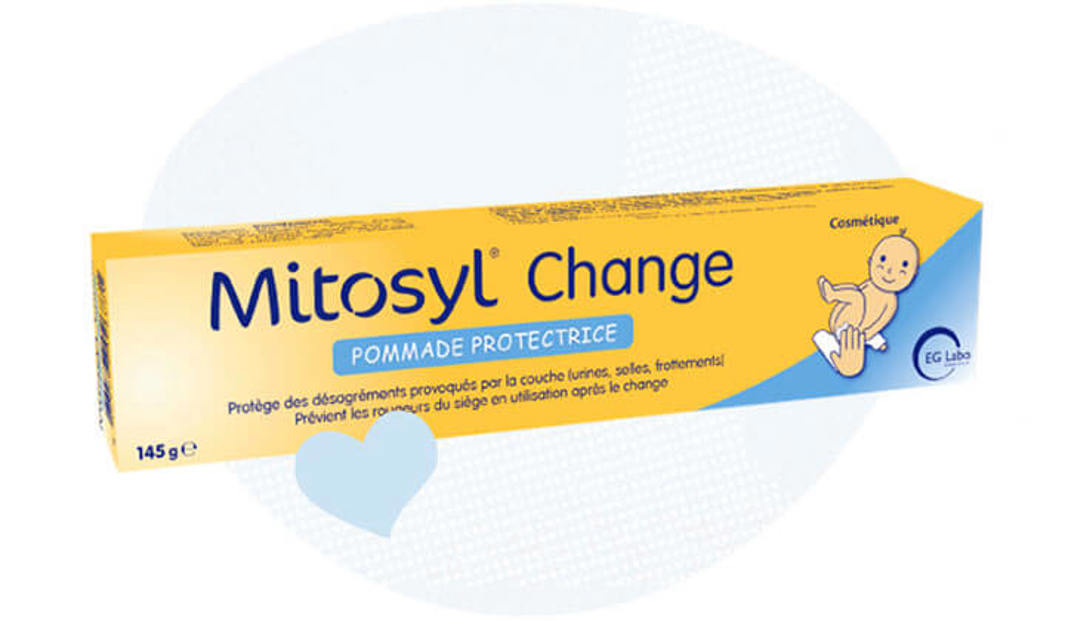
- Mitosyl Protective Ointment to help protect your baby's skin from nappy rash
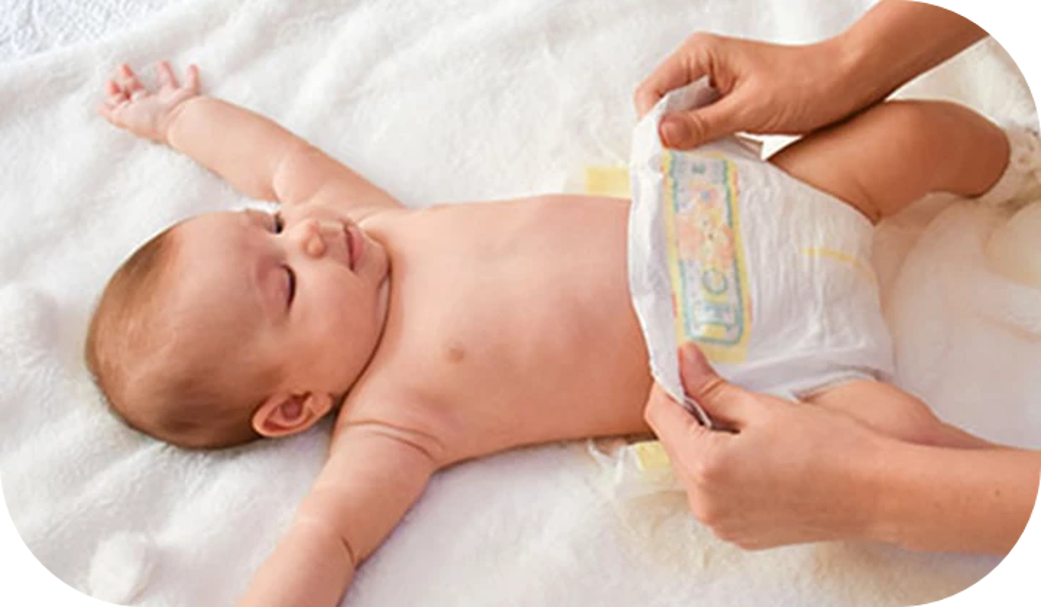
How to Change a Nappy: A Step-By-Step Guide
Although it may seem like an easy task, changing a baby’s nappy can be overwhelming if you’ve never done it before, and as a first-time parent, you may be wondering where to begin?! But not to worry, you’ll get the hang of it in no time.
From how often you should change a nappy to our top tips on nappy hygiene and a handy nappy-changing checklist, we’ve got you covered with our step-by-step guide on how to change a nappy. Take notes!
How often should you change a nappy?
How often to change a nappy varies from baby to baby, depending on their skin type and how delicate it is. Some have very delicate skin and need to be changed as soon as their nappies are wet to avoid soreness and redness, while others can wait to be changed until before or after feeds. Read more about baby skincare in our blog.
Wondering how often to change new-born nappy? New-born babies tend to need changing around 10 or 12 times a day and as they get older, their nappies will need to be changed at least six to eight times a day. Some nappies also have an indicator line that changes colour in response to exposure to liquid. However, all babies need frequent changes, and their nappies will need changing as soon as possible after poos to prevent nappy rash, redness or irritation.
What do you need to change a nappy?
Before you begin, wash your hands and make sure you are prepared by getting everything in one place. Our top tip is to invest in a nappy caddy and to keep this in your usual changing area (keeping one upstairs and one downstairs will make life much easier!). Here’s our nappy-changing checklist:
Step by step: How to change a nappy
Unsure how to change a baby's nappy? Follow our easy, step-by-step guide to become a pro nappy-changer in no time!
1. Lay your baby down on a soft and secure surface
If possible, the best place to change nappies is on a towel or changing mat on the floor. If you are using a changing table, make sure not to take your eyes off your baby or turn your back - you’d be surprised how far your little one can wriggle! We recommend always keeping one hand on your baby to keep them safe and secured.
2. Undo your little one’s nappy
Firstly, take off your little one’s clothes and make sure they are out of the way. One great hack for nappy changing is to fasten your baby’s vest poppers over their shoulder to avoid any messy incidents! Next, undo the nappy - if you are using a nappy with adhesive tabs, fold these back so that they don’t get in the way.
Throughout the nappy changing process, talk to your baby; it’s a great opportunity to bond with them and have some special one-on-one time. If your baby wriggles during changes and won’t relax, try giving them a small toy to play with to distract them.
3. Using baby wipes (or cotton wool and water), clean the area by wiping from front to back
Remember that whether they have wet their nappy or had a poo, it's always important to clean your baby’s bottom gently and thoroughly, making sure you clean inside the folds of skin. When the nappy is dirty, use the nappy to clean off most of the poo, then use baby wipes to clean the rest.
5. Apply a layer of barrier cream to protect your baby’s bottom from soreness and nappy rash
Mitosyl Protective Ointment can be used daily at every nappy change. Make sure your hands are clean and dry before spreading a pea-sized amount of ointment evenly onto your baby’s skin. If your little one has nappy rash, you can apply nappy rash ointment at each change to soothe irritation and redness.
6. Secure the clean nappy by fastening it from the back to the front panel.
The nappy should be snug, but not too tight. When shopping for nappies for the first time, make sure they are suitable for new-borns and stock up on plenty of nappies and wipes in advance - you’ll be surprised by how quickly you get through them!
7. Finally, place your baby in a secure place so you can dispose of the dirty nappy and wash your hands again.
Once your baby is dressed and the nappy-changing area is all cleaned up, give your baby a big kiss and cuddle, and congratulate yourself on your first nappy change!
Tips for distracting your baby while changing their nappy
Some nappy changes are more difficult than others and it can be tricky to get your baby to lie still. First, take a deep breath, then follow our expert tips:
- Talk to them, perhaps try telling them what you are doing
- Sing a relaxing song to try and calm them down
- Be silly and pull funny faces to make them laugh
- Give them a toy to play with - this could be a toy that they are only allowed at nappy changing time, to keep the novelty
- Hang a sensory mobile over their changing area to distract them
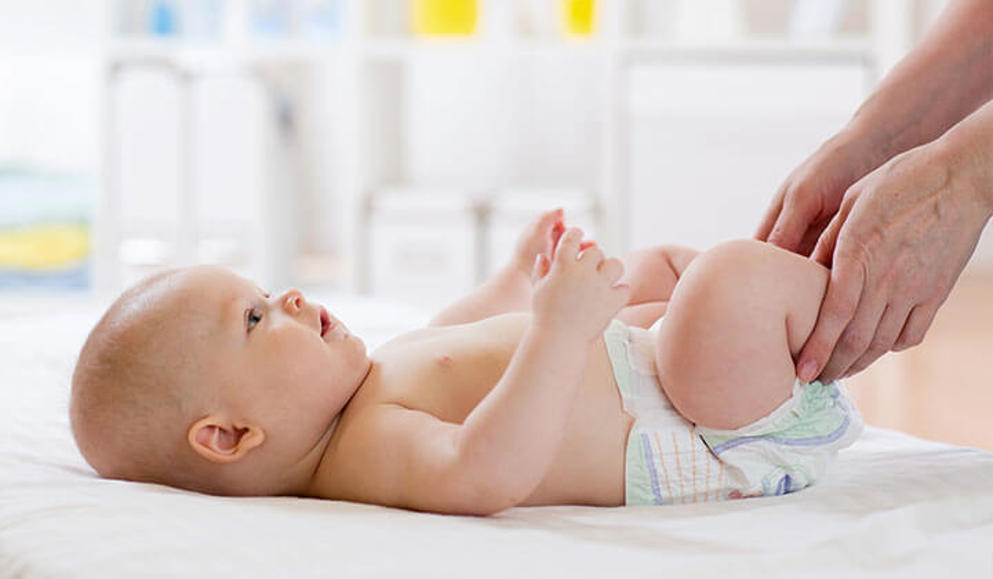
While nappy changes may not be glamourous, they are essential for keeping your little one clean, happy and healthy. We hope that our guide on how to change a nappy has answered any questions you might have and will help it to become second nature in no time! For more useful information, read our piece on Five Nappy-Changing Tips & Tricks or How to Prevent Nappy Rash. If you have any other queries on nappy changing, then let us know on Instagram or Facebook.
1https://www.nhs.uk/pregnancy/related-conditions/common-symptoms/stretch-marks/#:~:text=Pregnancy%20stretch%20marks,-Stretch%20marks%20on&text=They%20are%20common%20in%20pregnancy,different%20from%20woman%20to%20woman.


